

Industries
Every regulated sectorhits the same wall.
Data that cannot leave. A regulator who will ask. A model that needs the data at its most sensitive.

The shared constraint
The blocker is rarelythe model.
Programmes do not stall on accuracy. They stall when someone senior asks where the data will physically be, and who could be compelled to hand it over.
All five answer to the law of one country. So does the building their data sits in.
Read the detail
Across government, finance, healthcare, energy and telecoms the technical path to a working AI system is broadly understood and broadly affordable. The programmes that stall do not stall on accuracy. They stall at the point where someone senior asks where the data will physically be, who could be compelled to hand it over, and what the organisation would say to its regulator afterwards.
Those are infrastructure questions wearing a sector’s clothes. Which is why the answer is the same in all five, and why the page below is organised around the objection rather than around the industry.
Where it binds
Which guaranteecarries the weight.
Two sectors land on the same guarantee for different reasons — consent in one, volume and licence in the other. The reason decides which deployment model holds.
Government & Public Sector
The exposure is not commercial. It is constitutional.
Jurisdictional ControlFinancial Services
A supervised entity has to be able to produce the record.
GovernanceHealthcare
Consent is specific, and it does not travel.
Data ResidencyEnergy & Utilities
The threat model is control, not disclosure.
Air-Gapped DeploymentTelecommunications & Media
Population-scale data is too large to move, and licensed not to be.
Data Residency

Government & Public Sector
Constitutional,not commercial.
The objection
Citizen data cannot sit where a foreign court can reach it. That is not a procurement preference. It is a position we are required to hold.
Read the detail
A government holds data about its own population under an obligation it cannot delegate. The risk in foreign-operated cloud is not that the provider behaves badly — it is that the provider’s parent can be lawfully compelled by a court that the government in question does not answer to, and may not be told. No commercial term fixes a conflict of laws; only a single jurisdiction does.
Workloads this sector runs
- Document understanding across large national archives
- Multilingual citizen-facing services
- Case triage and routing
- Policy modelling and simulation
- Benefit and procurement integrity
Answered in the room, not on the page
- Applicable instrument: Confirmed with counsel, per case
- Reference deployments: Named only with written permission

Financial Services
Producethe record.
The objection
We can explain the model to the board. We cannot explain who else could have read the data it was trained on.
Read the detail
Prudential supervision assumes a regulated entity can demonstrate control over processing it has outsourced — not assert it. Model risk management asks the same question one level deeper: show the lineage of the training data, the access record, and the authority under which each touch occurred. An institution that cannot produce that record on demand has not deployed a model; it has accepted an unquantified operational risk.
Workloads this sector runs
- Fraud and AML detection on transaction streams
- Credit decisioning support
- Onboarding and KYC document processing
- Market surveillance
- Customer service automation
Answered in the room, not on the page
- Applicable instrument: Confirmed with counsel, per case
- Reference deployments: Named only with written permission
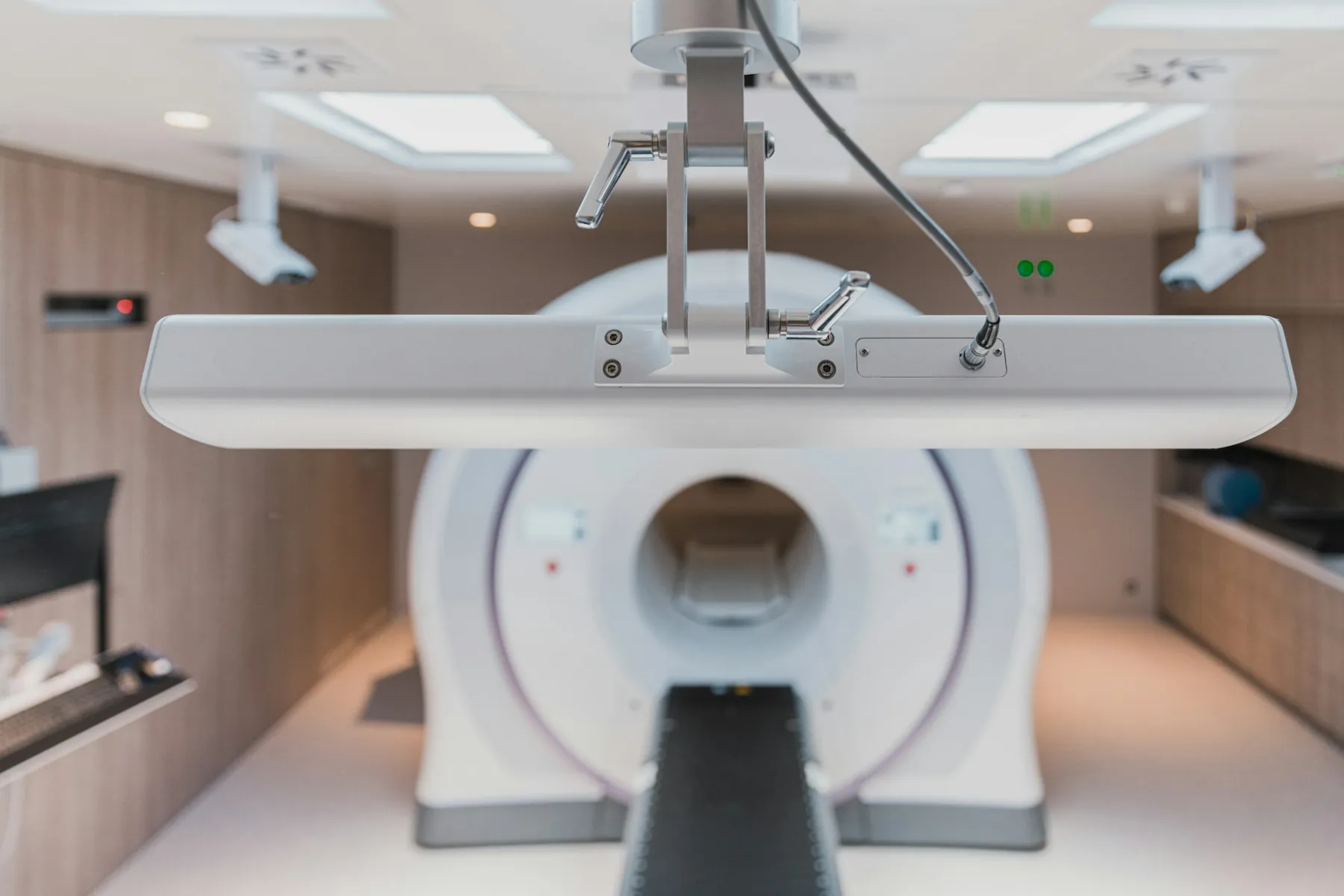
Healthcare
Consentdoes not travel.
The objection
A patient did not consent to their record leaving the country. No clinical benefit outweighs that.
Read the detail
Patient data is the most tightly held class of personal data in almost every regime, and clinical AI is unusually demanding of it: the models that help most need the record at its most identifiable, at exactly the point where the law is least flexible. Consent in healthcare is specific, revocable and local. It does not travel with a dataset, and it is not cured by a data-processing addendum.
Workloads this sector runs
- Imaging triage and prioritisation
- Clinical documentation and summarisation
- Coding, billing and claims adjudication
- Cohort discovery for research
- Capacity and scheduling optimisation
Answered in the room, not on the page
- Applicable instrument: Confirmed with counsel, per case
- Reference deployments: Named only with written permission

Energy & Utilities
Control,not disclosure.
The objection
The model touches operational technology. It does not get a route to the internet.
Read the detail
In critical national infrastructure the primary threat model is not disclosure, it is control. Operational networks are segmented from corporate IT deliberately and at cost, and an AI system that requires cloud connectivity to function is, in practice, an argument for putting a hole in that segmentation. The answer is not a hardened path out. It is no path — which is a deployment decision made at the facility, not a setting in a console.
Workloads this sector runs
- Predictive maintenance on rotating equipment
- Load and generation forecasting
- Seismic and subsurface interpretation
- HSE and site-safety monitoring
- Process and yield optimisation
Answered in the room, not on the page
- Applicable instrument: Confirmed with counsel, per case
- Reference deployments: Named only with written permission
Telecommunications & Media
Too large to move.Licensed not to.
The objection
We hold the records of a country’s communications. We are not moving them.
Read the detail
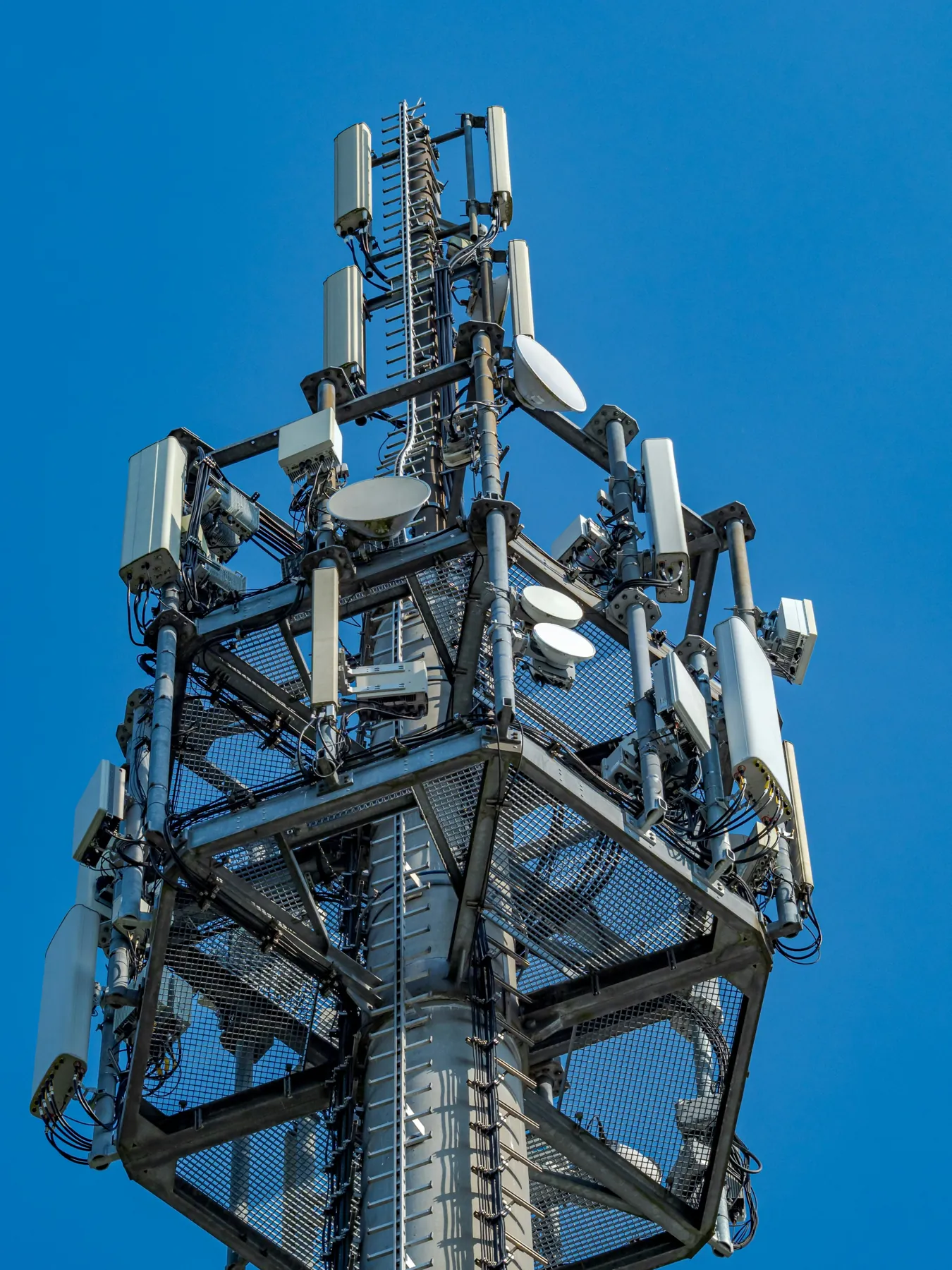
An operator holds population-scale behavioural data under licence conditions that are themselves an instrument of sovereignty. Volume is the second constraint and it is nearly as binding as the first: at national scale the data is too large and too continuous to move economically, even where the law would permit it. Compute has to come to the data, which makes this a question about where the floor is, not about where the model is.
Workloads this sector runs
- Network capacity and fault prediction
- Churn and propensity modelling
- Content recommendation and localisation
- Customer service automation
- Revenue-assurance and fraud detection
Answered in the room, not on the page
- Applicable instrument: Confirmed with counsel, per case
- Reference deployments: Named only with written permission
What this page does not do
No case studies.Here is why.
Every sector leaves two fields open: the applicable regulatory instrument, and reference deployments. They are open because Qode Core has not supplied them.
01
Regulatory citation
Naming an instrument is legal advice in all but name. It goes here when counsel has signed it off.
02
References
A named customer needs that customer’s written permission. Until then, an empty field — not a composite.
03
Sector statistics
Market figures prove nothing about the provider quoting them.
Why, in full
An industries page is conventionally a case-study page. Every sector above carries two permanently visible open fields — the applicable regulatory instrument, and reference deployments — and they are open because Qode Core has not supplied them.
Regulatory citation. Naming an instrument and summarising its obligations is legal advice in everything but name. It goes on this page when counsel has signed it off, not before.
References. A named customer requires that customer’s written permission. Until we hold it, we would rather show an empty field than a composite, an anonymised “leading regional bank”, or an illustrative scenario.
Sector statistics. Adoption rates and market figures are available to anyone with a search engine and prove nothing about the provider quoting them.
This page therefore states positions and architecture rather than evidence. That is a smaller claim than the one our competitors make on the same page, and it is the one that survives the diligence you are about to run on all of us.

Sector consultation
Which part of the wallis in your way?
Name the sector, the data classification and the regulator you answer to. We will tell you which guarantee carries your case and which deployment model holds it.