

Sovereign AI
Sovereignty isnot a setting.
Where the hardware physically sits, which law governs the people who operate it, and what is permitted to cross the boundary.
The chain of control
Four links.One jurisdiction.
Sovereignty is held by a chain, not a component. A chain that leaves the jurisdiction at any link does not hold at all.
- 01
Hardware
The physical machines the data is written to.
- 02
Facility
The building, its power, its cooling, its physical access control.
- 03
Operator
The people and the legal entity with administrative reach.
- 04
Legal regime
The law those people and that entity answer to.
One legal regime — United Arab Emirates
A foreign-operated cloud region inside the country satisfies the first two links and breaks the last two. The postcode is the easiest part to get right.
Data Residency
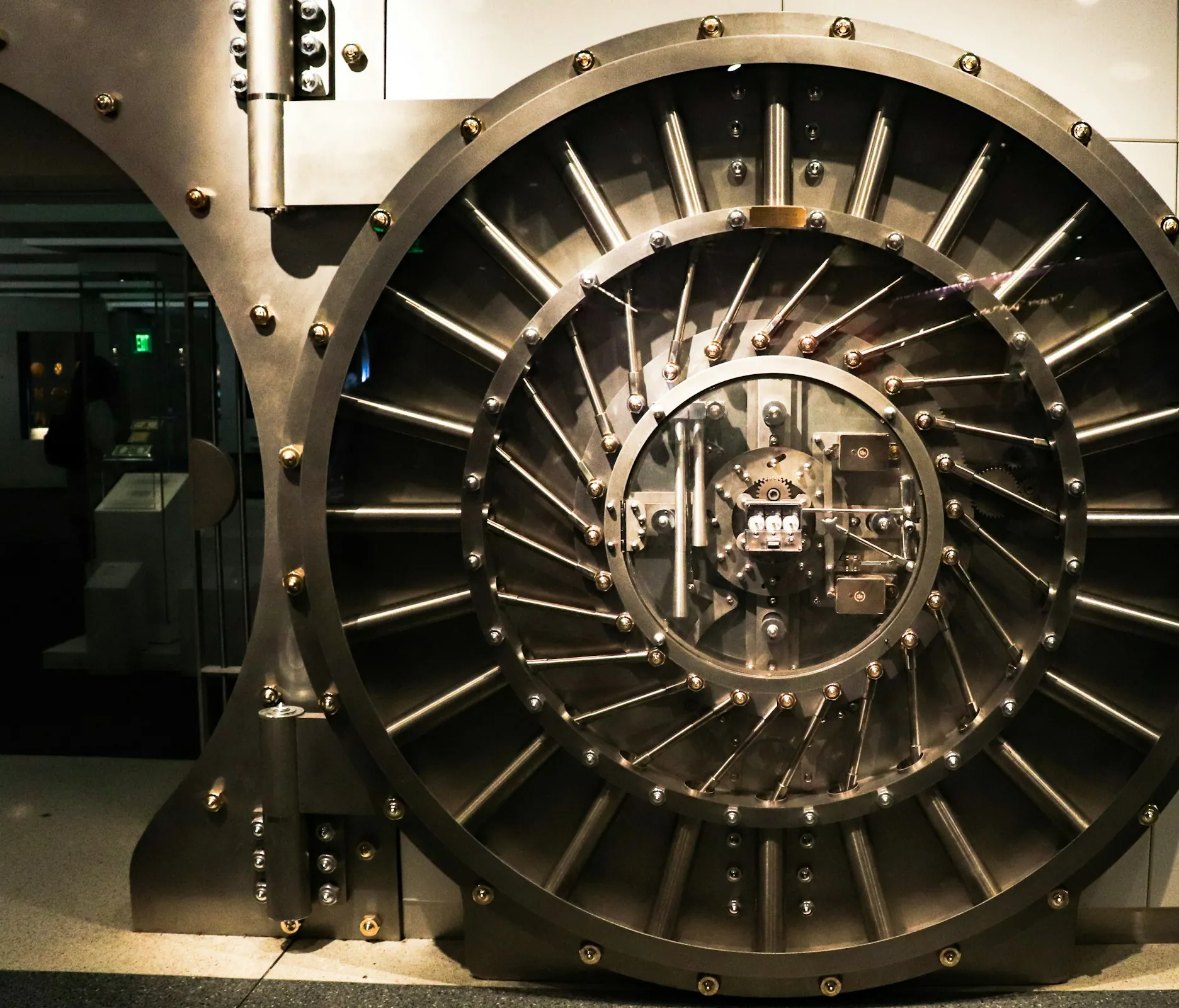
Written here.Stays here.
Data is written to hardware inside the country and stays there.
Not a foreign provider's region that happens to sit in the country. Where the bytes rest is one link in the chain, not the whole chain.
How it works
Mechanism. Storage, backups and replicas are provisioned on machines physically located in-country. No cross-border replication target is configured.
In practice. There is no replication path to disable, because one is never created. Residency is the default state of the system rather than a policy applied on top of it.
What this does not mean. It does not mean a foreign cloud provider's region that happens to sit in the country. Where the bytes rest is one link in the chain, not the whole chain.

Jurisdictional Control
One court.One regulator.
One legal regime governs the infrastructure and its operators.
Not immunity from law. The law that applies is the one you already operate under.
How it works
Mechanism. The entity operating the hardware, the hardware itself and the data held on it fall under a single legal regime — removing the conflict-of-law exposure created when a foreign parent company can be compelled by a foreign court.
In practice. One court, one regulator, one set of lawful-access rules. You can determine in advance who could compel disclosure and under what process.
What this does not mean. It does not mean immunity from law. No infrastructure provider can offer that. It means the law that applies is the one you already operate under.

Air-Gapped Deployment
No routeto the internet.
For workloads that must never touch a public network.
Not a firewalled network. A firewall is a rule about a path that exists; an air gap is the absence of the path.
How it works
Mechanism. Physically isolated environments provisioned with no route to the public internet. Ingress and egress happen through controlled, physical processes rather than network paths.
In practice. Model weights, training data and inference traffic remain inside the enclave for the lifetime of the workload.
What this does not mean. It does not mean a firewalled network. A firewall is a rule about a path that exists; an air gap is the absence of the path. The two fail very differently.

Governance
Who touched what,and when.
Who touched what, when, and under which authority.
It does not replace your own governance programme. It gives it something to evidence against.
How it works
Mechanism. Identity and access control, audit lineage and retention policy applied across the data and platform layers, with records held under the same jurisdiction as the data they describe.
In practice. Control can be demonstrated to an auditor or a regulator rather than asserted in a contract.
What this does not mean. It does not replace your own governance programme. It gives your programme something it can actually attach to and evidence against.
Four properties, one arrangement
Remove one.The rest collapse.
Residency, jurisdiction, air-gap and governance are not four features. They are four properties of a single arrangement — easier to see in a drawing than in a clause.

By deployment model
The guarantee holds.The boundary moves.
Sovereignty does not change between deployment models. What changes is where the line sits between your responsibility and ours.
Verification
Assertions arenot controls.
Six mechanisms, each demonstrable from configuration or from a record rather than from a sentence.
Access records
Who held administrative reach, and when
Audit lineage
What was read, written and moved, with authority
Control-plane reach
Outbound-only mTLS. No inbound path exists to disable
Egress policy
Private (RFC1918) and instance-metadata egress denied
Image provenance
Signed and digest-pinned, from approved registries only
What this section does not claim
No certification is held today. Each certificate will be published when it is issued — not before.
Certification roadmap — targets
- Uptime Tier III → IV
- ISO/IEC 27001
- ISO/IEC 27017 / 27018
- ISO 22301
- ISO 9001 / 14001 / 50001
- SOC 1 & SOC 2 Type II
- PCI DSS, as required
- UAE IA Standard & PDPL
Why evidence, not assertions
Any provider can write these four guarantees into a contract. The question a serious buyer should ask is what evidence exists that they hold — and what that evidence looks like when a regulator asks for it. Six mechanisms, each of which can be demonstrated from configuration or from a record rather than from a sentence.
What is not yet established
No certification is held today. The facility and its operations are being built to the roadmap below, and each certificate will be published when it is issued — not before. Attestation scope and penetration-test cadence are produced in diligence, against the specific environment being scoped, because a certificate quoted on a marketing page is never the environment you are buying. Ask for any of them by name; we will tell you what exists and what does not.
None of these is held today. Each is a target the facility and its operations are being built to, and each will be published with its certificate when it is issued.
The lawful-access process — who can compel disclosure, through which instrument, and what we are permitted to tell you — is set out in writing per engagement rather than summarised here, because the accurate answer depends on the contracting entity and the data classification.
Sovereign deployment
What does sovereigntymean for your workload?
Tell us the workload, the data classification and the regulator you answer to. We will tell you which deployment model holds the guarantee you need.